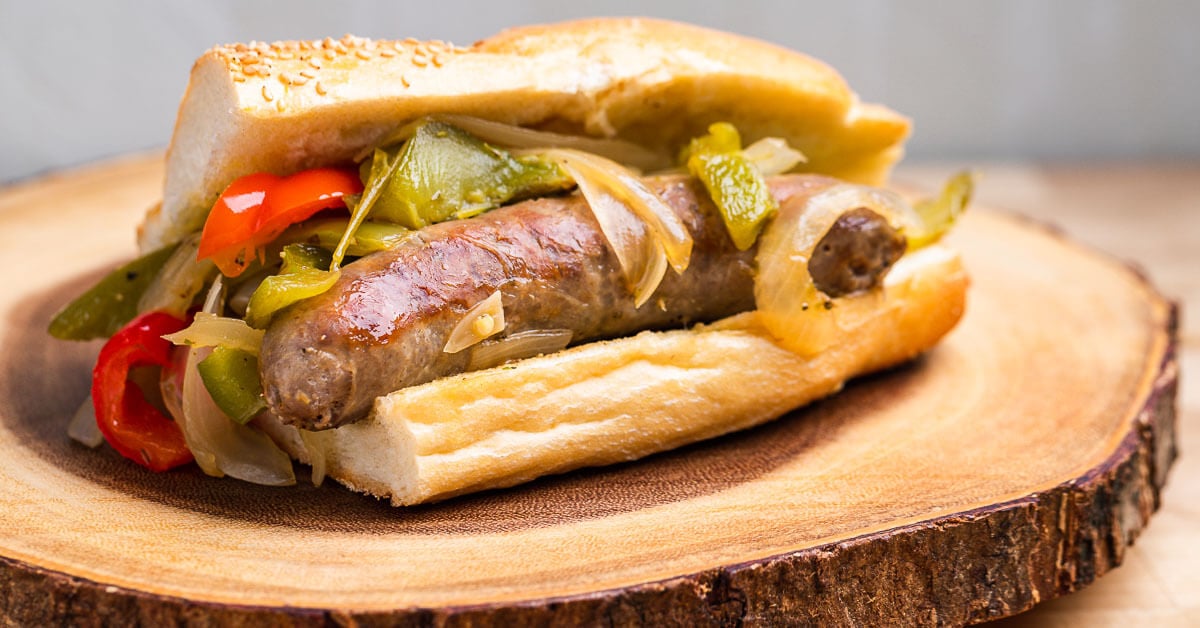
The Enduring Appeal of Sausage and Peppers: A Culinary Journey
Few dishes evoke the warmth of Italian-American heritage quite like classic sausage and peppers. More than just a simple combination of ingredients, it’s a vibrant symphony of flavors and textures that has captivated palates for generations. From bustling street fairs to intimate family dinners, this hearty staple embodies comfort, tradition, and an undeniable deliciousness that makes it a perennial favorite. Mastering its authentic flavor isn't just about following a recipe; it's about understanding its rich history, appreciating its core components, and applying techniques that bring out the best in every bite.
From Immigrant Fare to American Icon
The story of sausage and peppers is inextricably linked to the waves of Italian immigrants who settled in major U.S. cities like New York, Boston, and Chicago in the late 19th and early 20th centuries. Arriving with their culinary traditions, they ingeniously adapted familiar flavors to the ingredients readily available in their new home. Italian pork sausages, often seasoned with aromatic fennel, found their perfect partners in the sweet crunch of bell peppers and onions, a pairing that quickly became a beloved and affordable meal.
Its prominence soared as quintessential street food, particularly at community gatherings and festivals. The annual Feast of San Gennaro in New York, established in 1926, became a legendary venue where vendors have served sausage and peppers on hero rolls since its early days, cementing its status as an iconic part of Italian-American culture. Over time, it transcended its humble beginnings, evolving into a staple that evokes nostalgia for family gatherings, community celebrations, and serves as a quick, versatile weeknight option. To delve deeper into this fascinating evolution, explore Sausage and Peppers: From Italian-American Street Food to Staple.
A Harmony of Flavors and Textures
What makes a truly exceptional plate of sausage and peppers? It’s the exquisite balance. Imagine juicy, expertly browned Italian sausages with a snappy exterior, releasing their rich, savory essence. These mingle with tender, sweet-tangy bell peppers and onions, often softened and slightly caramelized, providing a delightful textural counterpoint. The entire medley is frequently simmered in a light tomato sauce or a flavorful broth, which adds moisture, depth, and helps to meld all the ingredients into a cohesive, irresistible dish. The result is a profile that is both robust and comforting, making it far more than the sum of its parts.
The Anatomy of Authentic Sausage and Peppers: Key Ingredients
Crafting the perfect sausage and peppers begins with selecting high-quality ingredients. Each component plays a vital role in achieving that sought-after authentic flavor.
Choosing Your Sausages Wisely
The foundation of the dish rests upon good Italian pork sausages. You'll typically find two main varieties:
- Sweet Italian Sausage: Characterized by mild seasoning, often including fennel, and sometimes a hint of paprika or garlic. This is a classic choice for a balanced flavor.
- Hot Italian Sausage: For those who prefer a kick, this variety incorporates red pepper flakes alongside the fennel and other seasonings, adding a pleasant heat.
Many aficionados opt for a mix of both sweet and hot to achieve a more complex flavor profile. Look for sausages with natural casings, as these offer that satisfying "snap" when bitten into. Prioritize quality pork from a reputable butcher; the flavor of the meat is paramount.
The Perfect Produce: Peppers and Onions
Bell peppers are essential. While green bell peppers offer a slightly more bitter, earthy note, using a mix of red, yellow, and orange bell peppers not only creates a visually stunning dish but also introduces varying degrees of sweetness and mild fruitiness. Slice them into consistent strips, about a quarter-inch thick, to ensure even cooking. Onions, typically yellow or sweet varieties like Vidalia, are crucial for their caramelizing sweetness that develops during cooking, complementing the savory sausages beautifully. Slice them similarly to the peppers.
Aromatic Enhancements and the Liquid Gold
To deepen the flavor profile, consider these additions:
- Garlic: Minced fresh garlic is practically non-negotiable, adding a pungent aromatic foundation.
- Herbs: Dried oregano is traditional, but fresh basil or parsley stirred in at the end can brighten the dish.
- Crushed Red Pepper: Even if you're using sweet sausage, a pinch of crushed red pepper flakes can add a subtle warmth without making it overtly spicy.
For the simmering liquid, a light tomato sauce or good quality crushed tomatoes provide a sweet and tangy base. Chicken or vegetable broth can add umami and moisture, while a splash of dry white wine or balsamic vinegar can be used to deglaze the pan, adding layers of complex flavor.
Mastering the Technique: Step-by-Step Preparation for Perfect Sausage and Peppers
Achieving authentic sausage and peppers requires more than just combining ingredients; it demands specific techniques to coax out the best flavors and textures.
Step 1: The Art of Browning the Sausages
Start by browning the sausages. This step is critical for developing a crisp, caramelized exterior and rendering some of the fat, which will later be used to cook the vegetables. Place the sausages in a large, heavy-bottomed skillet or Dutch oven over medium-high heat. Brown them on all sides until they develop a beautiful golden-brown crust. You don't need to cook them through at this stage, as they will finish cooking with the vegetables. Once browned, remove them from the pan and set aside. If using very fatty sausages, you might want to drain some of the rendered fat, leaving just enough to coat the bottom of the pan.
Step 2: Sautéing the Vegetables to Perfection
In the same pan with the residual sausage fat (and a little olive oil if needed), add your sliced onions. Cook them over medium heat, stirring occasionally, until they begin to soften and turn translucent, about 5-7 minutes. Then, add the sliced bell peppers. Continue cooking, stirring frequently, until the peppers are tender-crisp and have a slight char in places, another 8-10 minutes. This caramelization brings out their natural sweetness. Finally, add your minced garlic and any dried herbs (like oregano) and cook for just 1-2 minutes until fragrant, being careful not to burn the garlic.
Step 3: Deglazing, Simmering, and Melding Flavors
Once the vegetables are ready, it's time to deglaze the pan. Pour in about a half cup of dry white wine, chicken broth, or a splash of balsamic vinegar. Scrape the bottom of the pan vigorously with a wooden spoon to lift all the flavorful browned bits (the "fond"). Let the liquid reduce by about half. Then, stir in your crushed tomatoes or light tomato sauce, along with any additional broth if desired, to create a simmering liquid. Season with salt, black pepper, and crushed red pepper flakes to taste.
Return the browned sausages to the pan, nestling them among the vegetables and sauce. Bring the mixture to a gentle simmer, then reduce the heat to low, cover, and let it cook for at least 20-30 minutes, or even longer (up to an hour), stirring occasionally. This simmering period allows the sausages to cook through, become incredibly tender, and for all the flavors to meld beautifully. The longer it simmers, the deeper the flavor will be.
Expert Tips for Elevated Flavor
- Don't Overcrowd the Pan: Cook sausages in batches if necessary to ensure proper browning and avoid steaming.
- Season in Layers: Taste and adjust seasoning at various stages—after browning, after sautéing vegetables, and during simmering.
- Rest for Better Flavor: Just like a good stew, sausage and peppers often tastes even better the next day, as flavors have more time to deepen and marry.
- Consider Grilling Sausages: For an extra layer of char and smoky flavor, you can grill or broil the sausages until nearly cooked through before adding them to the sautéed vegetables and sauce.
- Fresh Herbs at the End: A sprinkling of fresh parsley or basil just before serving adds a vibrant, fresh finish.
Serving Suggestions and Historical Roots
The versatility of sausage and peppers is one of its greatest strengths, allowing for various serving styles to suit any occasion.
Classic Serving Styles
The most iconic way to enjoy sausage and peppers is undoubtedly as a sandwich. Served on a crusty hero roll, with the juices soaking into the bread, it’s a truly satisfying experience. For a heartier meal, spoon it generously over a bed of al dente pasta, creamy polenta, or even rice. It also stands perfectly well on its own, perhaps with a side of crusty Italian bread to sop up the delicious sauce.
Variations and Customizations
While the classic rendition is perfect, feel free to personalize your dish. Some like to add sliced mushrooms or zucchini during the vegetable sautéing phase. A sprinkling of shredded mozzarella or provolone cheese over the top, melted under a broiler, adds a gooey, cheesy dimension that complements the savory components beautifully. A dash of balsamic glaze or a squeeze of fresh lemon juice at the end can also brighten the flavors.
A Glimpse into Sausage's Ancient Past
While sausage and peppers is a relatively modern Italian-American invention, the art of sausage-making itself boasts a lineage stretching back millennia. Its roots in ancient Italy trace to the Etruscans, who emphasized pork preservation techniques that profoundly influenced early Roman culinary practices. The Romans, building on these foundations, refined sausage production as an essential method for conserving pork scraps, offal, and blood, using salt, smoking, and natural casings long before refrigeration existed. These portable, durable protein sources were vital for military campaigns and urban markets.
The 1st-century AD cookbook De Re Coquinaria, attributed to Apicius, even details recipes for varieties like the lucanica—a smoked pork sausage from the region of Lucania (modern Basilicata). This ancient sausage, packed with ingredients like ground pork, fat, pine nuts, pepper, cumin, and even garum (fermented fish sauce), highlights Roman innovation in fine grinding and bold seasoning. These practices evolved over centuries into the diverse regional Italian salsiccia we know today, a testament to the enduring appeal and necessity of preserved meats. To explore this fascinating history in more detail, read The Ancient History of Sausage: From Roman Lucanica to Modern Dishes.
Conclusion
Sausage and peppers is far more than just a recipe; it's a testament to culinary adaptation, community, and the timeless joy of good food. By understanding its Italian-American roots, selecting quality ingredients, and employing careful cooking techniques, you can recreate an authentic flavor that resonates with history and comfort. Whether served in a hero roll, over pasta, or enjoyed on its own, mastering this classic dish promises a hearty, flavorful experience that will delight your senses and perhaps even evoke a little bit of that cherished nostalgia for family and tradition.
