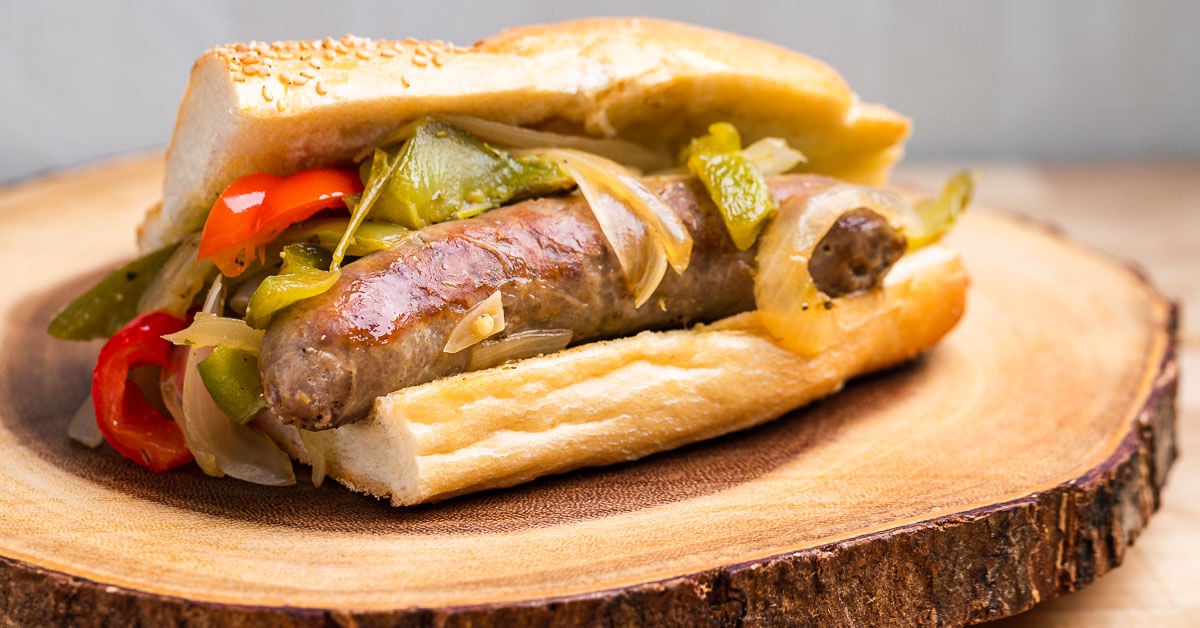
Sausage and Peppers: From Italian-American Street Food to Staple
The air crackles with anticipation, rich with the scent of sizzling pork, sweet peppers, and onions caramelizing on a hot griddle. For many, this iconic aroma instantly evokes images of bustling street fairs, family gatherings, and the vibrant culinary spirit of Italian-American communities. We're talking, of course, about sausage and peppers – a dish that has transcended its humble beginnings as an immigrant staple to become a beloved comfort food across America. More than just a meal, it's a flavorful narrative of adaptation, community, and the enduring appeal of simple, quality ingredients.The Irresistible Charm of Sausage and Peppers
At its core, sausage and peppers is a masterpiece of balance and hearty satisfaction. It features robust Italian pork sausages – typically sweet or spicy varieties, often seasoned with fennel – cooked to perfection alongside an aromatic medley of sliced bell peppers (red, green, and yellow for visual appeal and varied sweetness) and onions. Frequently, these ingredients are simmered together in a light tomato sauce or a savory broth, which infuses every bite with moisture and depth. The magic happens in the textures and flavors. The sausages, browned to a crisp exterior, offer a rich, snappy bite, their savory juices mingling with the sweet, slightly tangy crunch of the softened vegetables. When served traditionally on a crusty hero roll, the bread soaks up these delectable juices, creating a harmonious blend that's impossible to resist. It’s a dish that appeals to all senses: the vibrant colors, the intoxicating aroma, the varied textures, and the explosion of sweet, savory, and sometimes spicy flavors. This delightful combination is not just delicious; it’s a testament to how simple, quality ingredients can be transformed into something extraordinary.A Taste of Home: The Italian-American Journey
The story of sausage and peppers is deeply woven into the fabric of the Italian-American experience. This beloved dish emerged from the resourcefulness and culinary ingenuity of Italian immigrants who settled in major U.S. cities like New York, Boston, and Chicago in the late 19th and early 20th centuries. Arriving with their cherished culinary traditions, these new Americans found ways to adapt familiar flavors to the ingredients readily available in their new home. Pork sausages, a staple in Italy, were recreated using local meats, while abundant bell peppers and onions became the perfect, affordable accompaniment. Initially gaining prominence as accessible street food, sausage and peppers quickly became synonymous with community celebrations. Its affordability, portability, and irresistible aroma made it a star attraction at festivals. A prime example is New York's annual Feast of San Gennaro, established in 1926. From its early days, vendors at the Feast have proudly served these savory sandwiches on hero rolls, turning a simple meal into an iconic cultural experience. The sizzle and aroma of the onions, peppers, and sausages became an integral part of the festival atmosphere, drawing crowds and solidifying the dish's place in the hearts of Italian-Americans. Over time, this hearty combination evolved from a street-side treat into a cherished staple of Italian-American cuisine, evoking a deep sense of nostalgia for family gatherings, Sunday dinners, and community celebrations. Yet, its enduring appeal also lies in its versatility: it remains a quick, comforting, and incredibly satisfying meal for any weeknight.From Ancient Roots to Modern Plates: The History of Sausage
While the Italian-American iteration of sausage and peppers is relatively modern, the history of sausage itself stretches back millennia, boasting a rich and fascinating heritage that significantly predates its street food fame. The art of sausage-making in ancient Italy can be traced to the Etruscans, who were pioneers in pork preservation techniques. They utilized salt, smoking, and natural casings to extend the shelf life of meat long before the advent of refrigeration, laying the groundwork for future culinary practices. The Romans, building upon these Etruscan foundations during the Republic and Empire eras (circa 509 BCE–476 CE), refined sausage production into an essential method for conserving pork scraps, offal, and blood. Through grinding, spicing, and encasing meat in animal intestines, often incorporating exotic spices like pepper and cumin brought via extensive trade routes, sausages became a vital component of their diet. This preservation was critical for sustaining military campaigns and supplying urban markets, where sausages served as portable, durable, and highly nutritious protein sources. The earliest documented Roman sausage recipes appear in the 1st-century AD cookbook *De Re Coquinaria*, attributed to the gourmet Apicius. This ancient text details varieties such as the *lucanica*—a smoked pork sausage hailing from the southern region of Lucania (modern Basilicata). Apicius's recipe for *lucanica* called for ground pork, fat, pine nuts, pepper, cumin, savory, rue, parsley, bay berries, and *garum* (fermented fish sauce), all stuffed into thin casings and hung to smoke. These detailed recipes underscore the Roman innovation of fine grinding and bold seasoning, which not only enhanced flavor but also helped mask the taste of preservation, establishing sausages as both everyday fare and festival delicacies across the empire. These ancient practices gradually evolved over centuries into the diverse regional Italian sausages known today as *salsiccia*, a term derived from the Latin *salsus* (salted). Understanding this profound history enriches our appreciation for every bite of modern Italian sausage. To delve deeper into this incredible journey, explore The Ancient History of Sausage: From Roman Lucanica to Modern Dishes.Crafting the Perfect Plate: Tips and Variations
While the foundational recipe for sausage and peppers is straightforward, a few techniques can elevate it from good to truly exceptional.Preparation typically involves:
- Browning the Sausages: Start by browning the Italian sausages (sweet, hot, or a mix) in a large skillet or Dutch oven. This develops a beautiful crisp exterior and renders some of the fat, which will then be used to cook the vegetables, infusing them with flavor. Remove the sausages and set aside.
- Sautéing the Vegetables: In the same pan, add the sliced bell peppers and onions. Cook them until they soften and begin to caramelize, coaxing out their natural sweetness. A pinch of salt and pepper here will enhance their flavor.
- Deglazing and Simmering: Once the vegetables are tender, you can deglaze the pan with a splash of dry white wine, chicken stock, or even a bit of balsamic vinegar. This step scrapes up any flavorful browned bits (fond) from the bottom of the pan, adding immense depth. Return the sausages to the pan, add a can of crushed tomatoes or a light marinara, and simmer everything together. This allows the flavors to meld and the sausages to finish cooking through, absorbing the rich sauce.
To enhance the bold, aromatic profile, consider these additions:
- Minced garlic, added to the vegetables a minute or two before deglazing.
- A sprinkle of dried oregano or basil.
- A pinch of crushed red pepper flakes for an extra kick.
